Production Certification

HALAL Product Certification

Demonstrate HALAL Compliance. Build Consumer Confidence. Access International Markets.

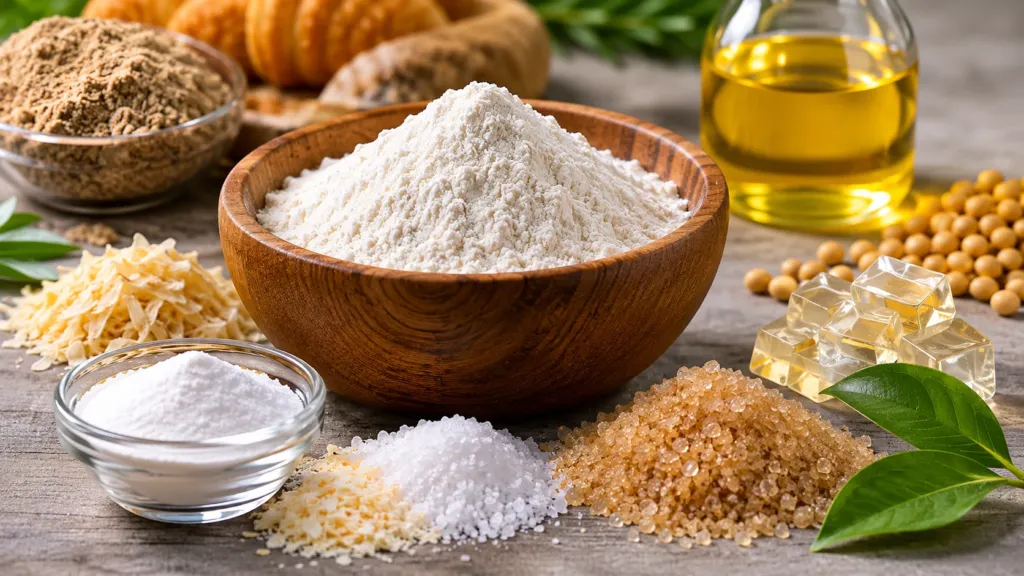
HALAL Product Certification provides independent assessment of products, ingredients, manufacturing processes, and handling practices against applicable HALAL requirements.
Support consumer confidence, strengthen supply chain transparency, and meet the certification expectations of customers and international markets.

What Is HALAL Product Certification?

HALAL Product Certification is a conformity assessment process that evaluates whether products, ingredients, manufacturing operations, and relevant handling practices comply with applicable Islamic requirements and HALAL certification standards.
The term HALAL refers to what is permissible under Islamic principles. In product certification, HALAL conformity may involve the origin and composition of ingredients, manufacturing methods, processing aids, equipment, cleaning procedures, packaging, storage, and transportation.
For food manufacturers, HALAL certification provides a structured approach to demonstrating that products are manufactured and handled in accordance with the requirements of the applicable certification scheme.
The specific requirements depend on the product category, certification standard, intended destination market, and applicable recognition arrangements.

Which Products Can Be HALAL Certified?

HALAL certification may apply to a wide range of products, depending on the applicable certification scheme, product category, and certification body’s authorized scope.

Food & Beverage Products

HALAL certification for eligible processed foods, beverages, dairy products, confectionery, bakery products, ready-to-eat meals, and other food categories.

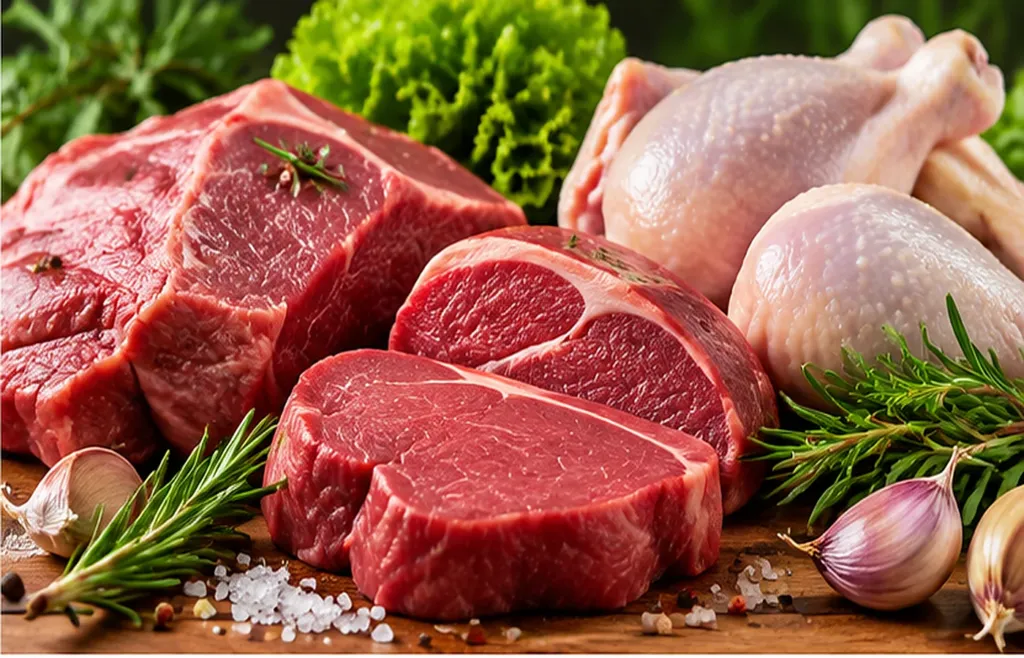
Meat & Poultry Products

Meat products and poultry products subject to applicable slaughtering, processing, and handling requirements.

Food Ingredients & Additives

Flavorings, Enzymes, Emulsifiers, Gelatin, Additives, and other ingredients requiring origin verification

Cosmetics & Personal Care

Eligible cosmetics and personal care products under applicable HALAL certification schemes.

HALAL Product Certification Requirements

Organizations seeking HALAL Product Certification must demonstrate that their products, ingredients, manufacturing operations, and relevant controls comply with the requirements of the applicable HALAL standard or certification scheme.
Although requirements vary by product category and destination market, the following areas are commonly assessed.

01

HALAL-Compliant Ingredients

Raw materials, additives, processing aids, and other product components must meet applicable HALAL requirements.
Organizations should establish controls to identify and evaluate ingredients that may originate from prohibited or uncertain sources.

02

Supplier Verification

Manufacturers should maintain appropriate information about suppliers, ingredient origins, and relevant HALAL declarations or certificates.
Supplier verification helps establish confidence in the conformity of materials entering the production process.

03

Manufacturing Controls

Production processes must address applicable HALAL requirements, including equipment suitability, segregation, handling practices, and prevention of contamination.
Where facilities manufacture both HALAL and non-HALAL products, additional controls may be necessary.

04

Cleaning and Hygiene

Cleaning and sanitation procedures must support hygienic production and meet applicable HALAL requirements.
Equipment, utensils, production areas, and handling practices may require specific controls depending on the nature of the products and manufacturing activities.

05

Traceability and Documentation

Organizations should maintain records that demonstrate control over ingredients, suppliers, manufacturing processes, product identification, and relevant operational activities.
Effective traceability supports verification of HALAL conformity throughout the supply chain.

06

Packaging and Labeling

Packaging materials, product information, HALAL claims, and certification marks must comply with applicable requirements.
The use of HALAL logos or certification marks must be authorized and consistent with the relevant certification scheme and destination-market regulations.

International HALAL Standards & Recognition

HALAL certification requirements differ across countries and international markets. Although several international and regional standards establish common principles for HALAL products and certification activities, individual countries may impose additional regulatory, accreditation, registration, and recognition requirements.

For manufacturers and exporters, selecting the appropriate HALAL certification framework is essential to demonstrating product conformity and meeting the requirements of intended destination markets.

HALAL certification against an international standard does not automatically guarantee acceptance in every country. Certificate recognition depends on the applicable regulations, the issuing certification body’s approval or recognition status, and the products covered by its authorized scope.

Regional and National HALAL Requirements

The Gulf Standardization Organization (GSO) develops regional standards addressing HALAL products and certification activities.

In the United Arab Emirates, the Ministry of Industry and Advanced Technology (MoIAT) administers the national HALAL framework.

Relevant standards include:

  • UAE.S 2055-1 — General Requirements for Halal Food.
  • UAE.S GSO 2055-2 — General Requirements for Halal Certification Bodies.
  • UAE.S 993 — Animal Slaughtering Requirements According to Islamic Rules.
  • UAE.S 2055-4 — Requirements for Halal Cosmetics and Personal Care Products.

Manufacturers and exporters should verify the applicable requirements and recognition status of the issuing certification body before supplying HALAL-certified products to GCC markets.

International HALAL Standardization Framework

The Standards and Metrology Institute for Islamic Countries (SMIIC) develops international standards to support the harmonization of HALAL requirements among participating countries.

Key standards include:

  • OIC/SMIIC 1:2019 — General Requirements for Halal Food.
  • OIC/SMIIC 2:2019 — Requirements for Bodies Providing Halal Certification.
  • OIC/SMIIC 3:2019 — Requirements for Halal Accreditation Bodies.
  • OIC/SMIIC 4:2018 — General Requirements for Halal Cosmetics.

These standards provide a common technical foundation for HALAL conformity assessment. However, their adoption and recognition depend on individual countries and applicable certification arrangements.

Malaysia

Malaysia’s HALAL certification framework is administered by the relevant Malaysian authorities, with the Department of Islamic Development Malaysia (JAKIM) playing a central role.

JAKIM maintains recognition arrangements for Foreign Halal Certification Bodies (FHCBs).

Manufacturers exporting HALAL-certified products to Malaysia should verify that their certification body is recognized by JAKIM for the relevant product category and certification scope.

Indonesia

Indonesia’s HALAL product assurance system is administered by the Halal Product Assurance Organizing Agency (BPJPH).

The framework establishes HALAL certification requirements for specified products and includes recognition arrangements for eligible foreign HALAL certification bodies.

Depending on the applicable regulations, imported products may require registration of foreign HALAL certificates or other certification procedures.

Manufacturers and exporters should verify current BPJPH requirements before entering the Indonesian market.

Singapore

The Islamic Religious Council of Singapore (MUIS) administers HALAL certification arrangements in Singapore.

MUIS also maintains a Foreign Halal Certification Body Recognition Scheme to assess and recognize eligible overseas HALAL certification bodies.

Manufacturers supplying HALAL-certified products to Singapore should confirm that their certificates meet the applicable MUIS recognition requirements.

How to Obtain HALAL Product Certification

A clear and structured process to assess, verify, and certify that your products comply with applicable HALAL requirements.

01

Application

Submit product details, manufacturing information, and certification scope.

02

Document
Review

Review ingredients, supplier records, product specifications, and relevant procedures.

03

Assessment
Planning

Determine applicable requirements and establish the assessment plan.

04

On-Site
Assessment

Evaluate manufacturing processes, operational controls, and HALAL compliance.

05

Certification
Decision

Independently review assessment results and determine certification eligibility.

06

Certification &
Surveillance

Issue certification following approval and conduct applicable surveillance activities.

Structured &
Transparent Process
Based on International
& National Requirements
Performed by
Qualified Auditors
Continued Compliance
through Surveillance
Apply for HALAL Certification

HALAL Certification for Global Market Access

HALAL certification plays an important role in international trade, particularly for organizations supplying products to markets where HALAL requirements are established by regulations, import conditions, retailers, or consumers.

World map illustrating international HALAL certification markets

Middle East & GCC

Requirements may involve national or regional HALAL standards, import regulations, and recognition.

Southeast Asia

Markets such as Malaysia and Indonesia have established HALAL regulatory and recognition frameworks.

Europe

Certification supports manufacturers serving domestic consumers and international export customers.

Africa & Other Markets

Requirements depend on destination regulations, customer expectations, and recognition arrangements.

Benefits of HALAL Product Certification

International Market Access

Support entry into markets and supply chains where appropriately recognized HALAL certification is required or preferred.

Consumer Confidence

Demonstrate that products have been independently assessed against applicable HALAL requirements.

Supply Chain Transparency

Strengthen controls over ingredient sourcing, suppliers, manufacturing, and product traceability.

Competitive Positioning

Support relationships with international buyers, retailers, distributors, and consumers seeking HALAL-certified products.

FREQUENTLY ASKED QUESTIONS

HALAL Product Certification Frequently Asked Questions

Find answers to common questions about HALAL Product Certification scheme.

Our team is here to help you identify the right certification / verification and assurance for your organization

HALAL Product Certification is a conformity assessment process used to determine whether products, ingredients, manufacturing processes, and relevant handling practices meet applicable HALAL requirements.

Certification is issued following a successful assessment against the requirements of the relevant certification standard or scheme.

Organizations generally begin by identifying their products, manufacturing activities, applicable HALAL requirements, and intended markets.

The certification process typically involves an application, document review, assessment activities, resolution of identified nonconformities, and a certification decision.

Applicants should select a certification body with the appropriate authorization and recognition for their products and intended markets.

HALAL certification requirements vary by country, product category, and intended use.

Some markets establish mandatory certification or labeling requirements for specified products, while certification may be voluntary or commercially required in others.

Organizations should verify the requirements of their intended destination markets.

Products commonly considered for HALAL certification include food, beverages, meat and poultry products, food ingredients, additives, and certain cosmetics or personal care products.

Whether certification is required depends on applicable regulations, customer requirements, and product classifications.

Documentation requirements vary by certification scheme and product category.

Commonly requested information includes:

  • Company and manufacturing facility details
  • Product specifications and ingredient lists
  • Supplier information and declarations
  • Relevant ingredient HALAL certificates
  • Manufacturing process flowcharts
  • Cleaning and sanitation procedures
  • Traceability and product identification records
  • Packaging and labeling information

Additional documents may be required depending on the product and applicable certification requirements.

The certification timeline depends on the number and complexity of products, manufacturing activities, document availability, assessment requirements, and the resolution of any nonconformities.

Organizations should request an estimated timeline from the selected certification body after providing the relevant application information.

HALAL certification costs depend on several factors, including product categories, manufacturing locations, assessment duration, testing requirements, and the applicable certification scheme.

Organizations should request a quotation based on their specific products and intended certification scope.

HALAL certification may support access to international markets, but acceptance is not automatically universal.

Recognition depends on the issuing certification body, applicable scheme, destination-market requirements, and relevant recognition arrangements.

Organizations should confirm certificate acceptance before relying on it for export purposes.

HALAL certification assesses conformity with applicable Islamic requirements relating to products, ingredients, manufacturing, and handling practices.

ISO 22000 certification demonstrates conformity with an international Food Safety Management System standard.

The two certifications address different requirements and may complement one another, but ISO 22000 certification does not replace HALAL certification.

Imported products may be eligible for HALAL certification or acceptance of existing certification, depending on the destination country’s requirements.

Manufacturers and importers should verify whether the relevant authorities recognize the issuing certification body and whether additional documentation, registration, or assessment is required.

Take Next Step

Start Your HALAL Product Certification Journey

Demonstrate conformity with applicable HALAL requirements and support your organization’s international market objectives.
Contact WECERT to discuss your products, intended markets, certification requirements, and available assessment arrangements.